
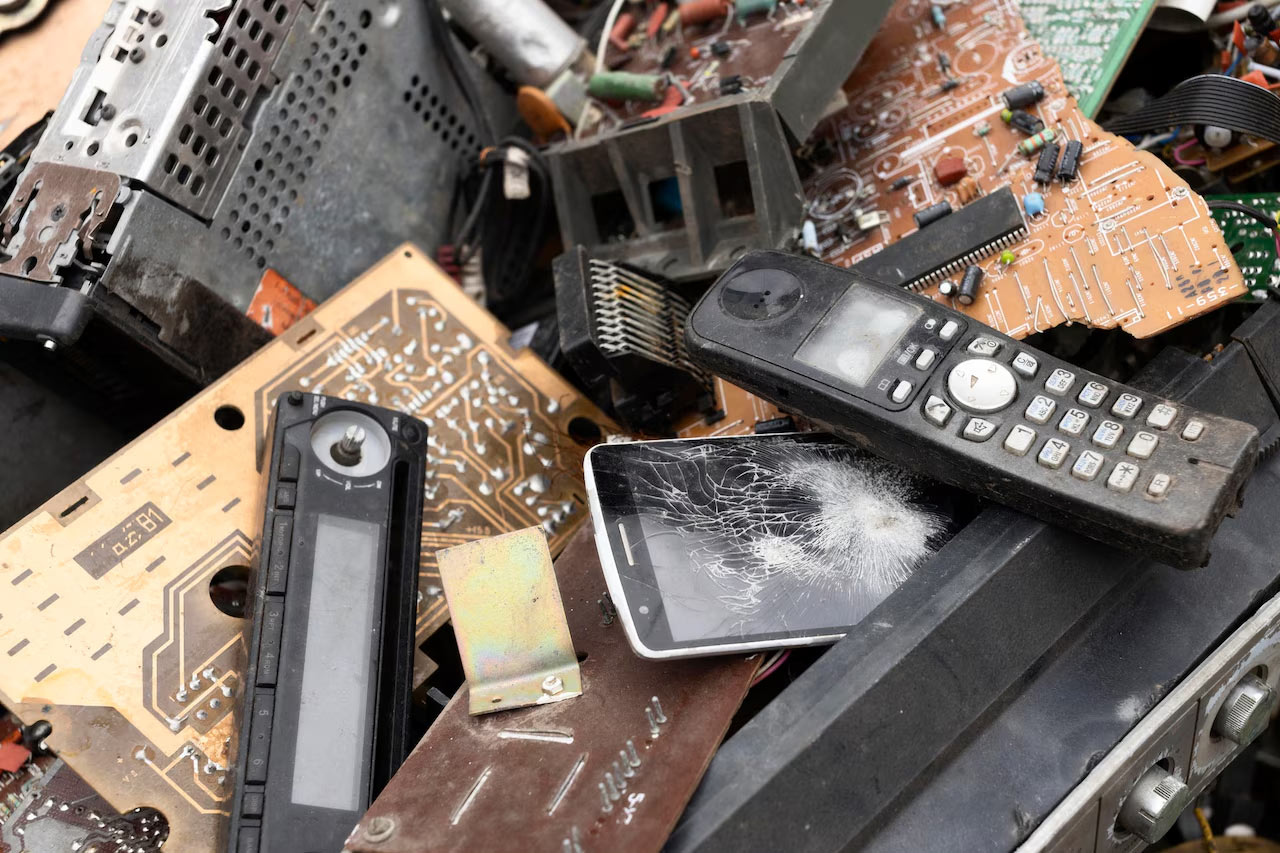
The rapid evolution of technology has led to a massive increase in electronic waste (e-waste) globally. In Bulgaria and across the Balkans, businesses are replacing IT equipment at an accelerating rate, leaving behind a growing mountain of obsolete hardware. Without proper disposal, these electronic devices pose serious environmental and security risks.
E-waste recycling is no longer just a sustainability initiative—it is a legal and corporate responsibility. Organizations must comply with European regulations like the Waste Electrical and Electronic Equipment (WEEE) Directive and recognized standards such as Weeelabex to ensure responsible disposal of IT assets.
This guide explores the impact of e-waste, the importance of WEEE compliance, and how Bulgarian businesses can align with the latest Weeelabex standards for sustainable IT recycling.
The Growing E-Waste Crisis in Bulgaria
E-waste is now one of the fastest-growing waste streams in the world. Businesses in Bulgaria, particularly those in IT, finance, healthcare, and manufacturing, generate significant volumes of obsolete electronic equipment each year. The improper disposal of IT assets contributes to:
- Toxic waste accumulation – Devices contain hazardous materials such as lead, mercury, and cadmium, which can contaminate soil and water.
- Environmental pollution – Poorly managed e-waste disposal releases harmful substances into the air and ecosystem.
- Data security risks – Unsecured disposal of IT equipment can lead to data breaches, putting sensitive business and customer information at risk.
To address these concerns, the European Union introduced the WEEE Directive, a set of regulations governing the collection, treatment, and recycling of electronic waste. Bulgaria, as an EU member, is required to enforce these standards through national legislation.
What is WEEE Compliance and Why is it Important?
The WEEE Directive (2012/19/EU) was established to ensure that electronic waste is collected, processed, and disposed of in an environmentally sound manner. Companies that fail to comply face legal penalties and reputational damage.
Under WEEE regulations, Bulgarian businesses are responsible for:
- Ensuring IT devices are collected and processed by licensed e-waste recyclers
- Separating hazardous materials from general waste
- Tracking and reporting e-waste disposal methods to authorities
- Reducing landfill contributions through responsible recycling programs
Businesses that generate large volumes of e-waste must partner with certified recyclers who follow WEEE guidelines. These recyclers process old equipment in a way that minimizes environmental impact while maximizing the reuse of valuable materials.
Weeelabex: Raising the Standard for IT Recycling
Weeelabex (WEEE Label of Excellence) is a certification system designed to ensure that e-waste processing meets the highest environmental and security standards. While WEEE compliance provides a legal framework, Weeelabex-certified facilities take recycling a step further, ensuring best practices in waste management.
A Weeelabex-certified recycling provider guarantees:
- Strict environmental controls – Reducing emissions and preventing hazardous substances from polluting the environment.
- Ethical recycling practices – Ensuring electronic components are handled responsibly and not illegally exported.
- Secure data destruction – Certified processes that eliminate any risk of data recovery from recycled devices.
- Higher recovery rates – Maximizing the extraction of valuable raw materials like gold, silver, and rare earth metals.
For businesses in Bulgaria looking to meet both compliance and sustainability goals, choosing a Weeelabex-certified recycling partner is the best way to ensure full accountability and traceability in e-waste management.
The E-Waste Recycling Process: Step by Step
To comply with WEEE regulations and Weeelabex standards, businesses must follow a structured e-waste recycling process:
- IT Asset Inventory – Conduct an audit of obsolete IT equipment, identifying items for recycling, refurbishment, or resale.
- Secure Data Destruction – Before recycling any IT device, sensitive data must be securely erased or physically destroyed.
- Certified Collection & Transport – Partner with a Weeelabex-certified provider to ensure safe and compliant transportation of e-waste.
- Material Recovery & Component Separation – Devices are dismantled, and valuable metals and components are extracted for reuse.
- Final Disposal & Documentation – Hazardous materials are disposed of safely, and businesses receive compliance certificates to verify responsible recycling.
The Business Benefits of WEEE Compliance & Weeelabex Recycling
Companies in Bulgaria that adopt compliant e-waste recycling strategies can gain significant environmental, financial, and regulatory advantages.
- Avoiding Legal Risks – Meeting WEEE requirements prevents penalties and ensures compliance with Bulgarian environmental laws.
- Protecting Brand Reputation – Demonstrating a commitment to sustainability enhances corporate image and customer trust.
- Reducing Costs Through Circular Economy – IT assets can be refurbished, resold, or reused, maximizing their value.
- Enhancing Corporate Sustainability Initiatives – Responsible e-waste disposal contributes to ESG (Environmental, Social, and Governance) goals.
Challenges in E-Waste Management and How to Overcome Them
Despite the benefits, many businesses in Bulgaria face challenges in implementing effective e-waste recycling programs. Some common obstacles include:
- Lack of awareness about compliance requirements – Many companies are unaware of their legal obligations under WEEE.
- Concerns about data security – Businesses fear that improperly recycled devices could expose sensitive information.
- Limited access to certified recyclers – Finding a reliable Weeelabex-certified provider can be difficult.
To overcome these challenges, organizations should:
- Educate employees about e-waste risks and best disposal practices.
- Implement an internal IT asset management policy that includes compliance recycling.
- Partner with certified IT asset disposition (ITAD) providers who specialize in WEEE-compliant e-waste solutions.
How Bulgarian Businesses Can Take Action Today
For companies in Bulgaria looking to align with WEEE and Weeelabex standards, the best approach is to work with an experienced e-waste recycling provider that ensures full compliance.
To get started:
- Assess your IT waste volume and identify devices that need secure disposal.
- Schedule a collection with a Weeelabex-certified provider that can handle IT asset recycling and secure data destruction.
- Request compliance documentation to verify that all recycled devices meet WEEE requirements.
- Implement a long-term IT sustainability strategy to manage future e-waste disposal.
As Bulgaria strengthens its commitment to sustainable waste management, businesses must take a proactive approach to IT recycling. Compliance with WEEE regulations and Weeelabex standards is not just about legal obligations—it is an opportunity for companies to lead the way in environmental responsibility and data security.
With rising government enforcement and increasing public awareness, responsible e-waste management will soon become a defining factor in corporate sustainability and digital transformation. Companies that invest in compliant IT recycling solutions today will benefit from cost savings, improved security, and a stronger reputation in the years ahead.
Contact Information
For companies seeking IT recycling and secure e-waste disposal services, contact:
European Business Contact: +40 756 525 525
Email: sow@itad4u.com